
Make room for pollinators.
A patch of flowers. A place to nest. A little room to grow. Habitat begins with the space you have.
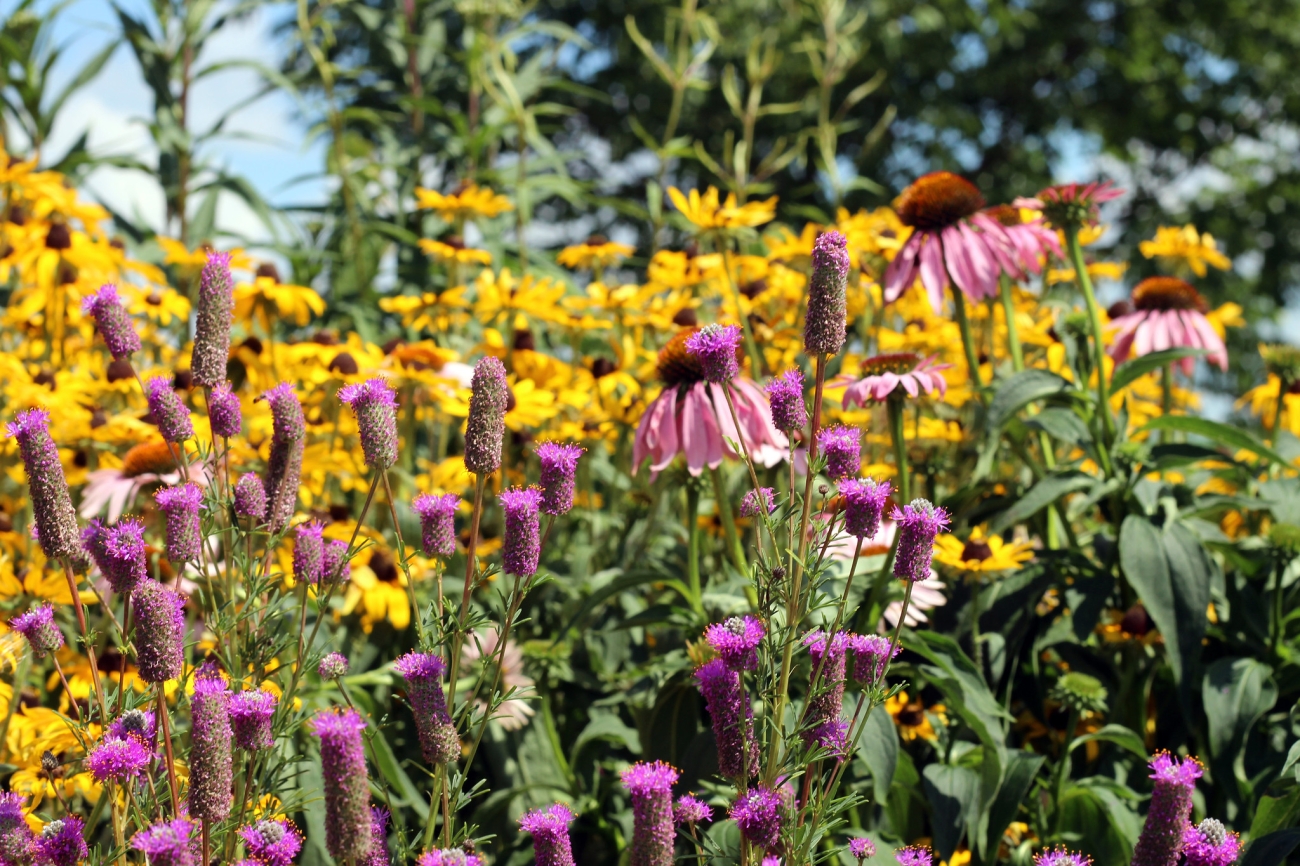
A habitat is more than flowers.
Food through the seasons
Choose plants native to your region, with a mix of flowering times. Early, middle, and late-season blooms help keep nectar and pollen available through the growing season.
Places to nest and shelter
Pollinators need places to raise their young and spend the winter. Standing stems, leaf litter, and patches of undisturbed ground can be useful parts of a garden.
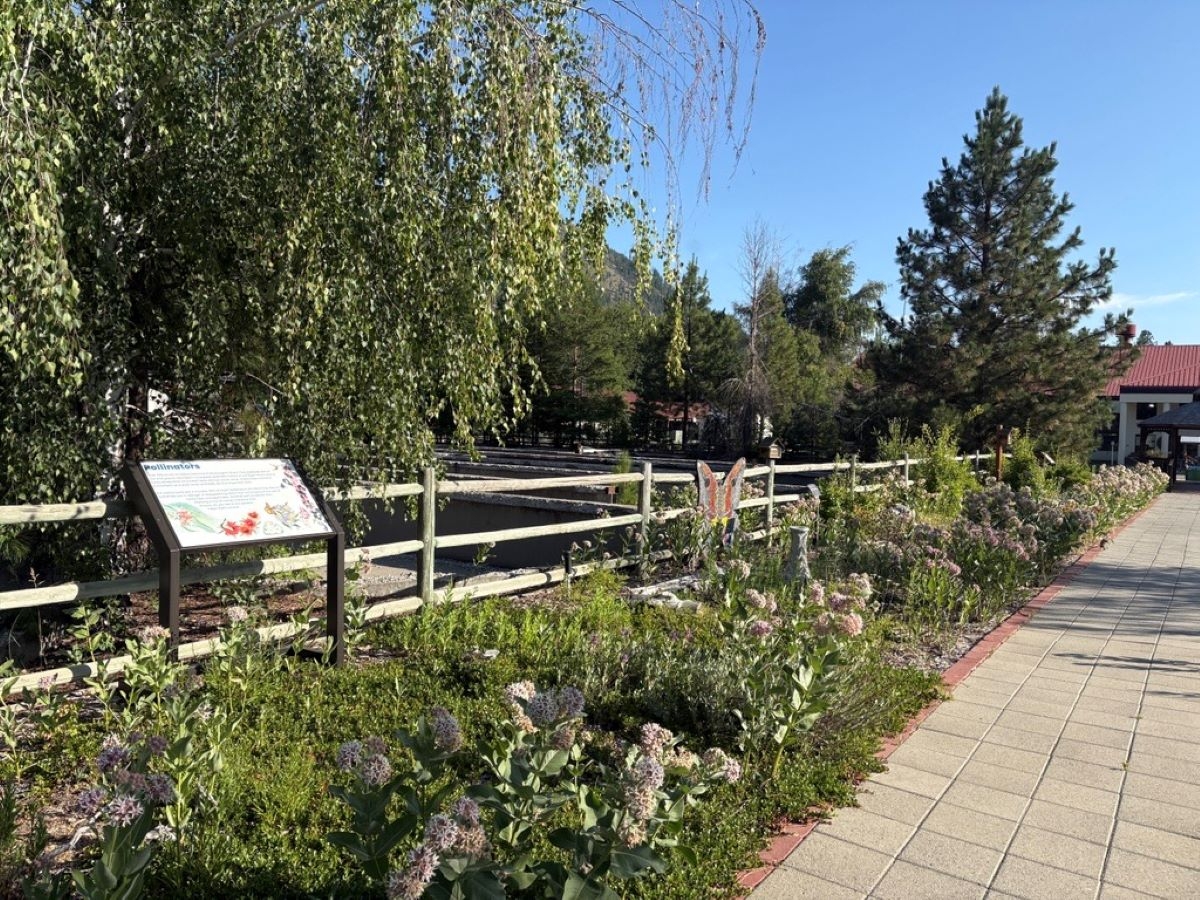
Start small. Watch what happens.
A garden bed, a sunny border, or a few suitable containers can be a starting point. Choose a space you can care for, then build on what you learn.
- Notice how much sun the space receives and how wet or dry the soil stays.
- Choose regionally native plants suited to those conditions.
- Plan for watering and weeding while plants become established.
- Observe which insects visit and what they use.
The right plants for your place.
A plant native to one part of the country may not be native to another. Local climate, soil, and growing conditions matter, too.
Before buying plants or seed, check with a local native plant society, Cooperative Extension office, or knowledgeable native plant nursery. Ask about both native range and suitability for your particular site.
Explore USFWS Plant ResourcesThinking beyond one garden.
Bee Balanced is developing plans for habitat projects that connect patches of native wildflowers, alongside education that helps people understand and care for those spaces.
We’re interested in conversations with gardeners, educators, landowners, and community groups who share that goal.
Keep learning.
Leave a little shelter
Learn how leaves, stems, and undisturbed soil support pollinators beyond the flowering season.
Read the USFWS Seasonal GuideGet to know your visitors
Explore the pollinator quiz and take a closer look at the insects sharing your outdoor space.
Take the Pollinator QuizHelp the next patch take root.
Support Bee Balanced’s education and habitat mission, share what you learn, or begin with a patch of your own.
Donate